

Ecommerce doesn’t stand still, and 2026 is shaping up to be a year where both bigger strategic shifts as well as careful attention to small, thoughtful details across your brand and digital store will make all the difference.
Customer expectations are higher, competition is tighter, and the brands winning aren’t guessing what’s next, they’re already adapting. From more refined marketing strategies and practices to new avenues of selling, engaging, and retaining customers, Shopify stores are finding different ways to grow and stand out.
In this guide, we’ll break down the top 13 Shopify and ecommerce trends to expect in 2026, with a practical, valuable, and actionable look at what’s actually changing and how it will impact your store. These trends will help you spot opportunities early and build a store that’s ready for what’s coming next.
Let’s jump right in!
1 - The switch from Wholesale to D2C
The way brands sell is changing - and fast.
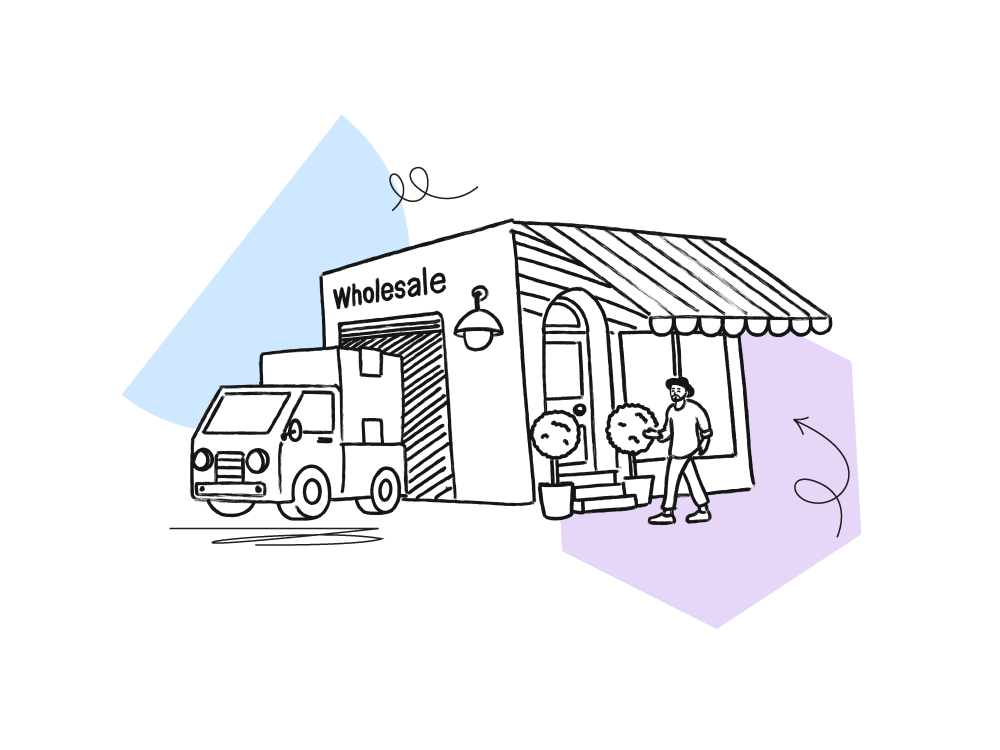
Projections for Direct-to-Consumer (D2C) last year estimated $187 billion in ecommerce sales by the end of 2025, and that number is only expected to grow even further. This growth makes one thing clear: more businesses are moving away from their reliance on wholesale and leaning into D2C as a major revenue stream.
Today’s consumers want more than just products, they’re looking for real connections with brands that share their values and offer personalized experiences.
For businesses still leaning heavily on wholesale, keeping up with this shift is quickly becoming essential for long-term growth. That’s where Shopify comes in, leading the charge with tools and flexibility brands need to make the D2C transition successfully.
Direct-to-Consumer (D2C) is all about selling products directly to your customers, without middlemen, marketplaces, or third-party retailers. It puts you, the brand owner, in full control of how your products are marketed, sold, and experienced.
Instead of depending on big-box stores or online resellers, D2C lets you build a direct connection with your audience and manage the entire customer journey, from the first website visit to post-purchase engagement.
With access to customer data, full design control, and direct insights, you can refine your messaging, pricing and overall experience based on what your customers actually want, not what a retailer thinks they need.
This trend goes both ways: if you’re an ecommerce wholesale brand, 2026 is the perfect time to move to Shopify D2C. If you’re already D2C, competition is getting bigger, so now is the time to find new ways to innovate. Learn more about this shift by reading our in-depth guide.

2 - The rise of headless commerce
Another emerging Shopify trend you can’t afford to ignore in 2026 is headless commerce. The headless commerce market is expected to reach $11.8 billion by 2028, growing at a 17.5% compound annual growth rate (CAGR), making it one of the fastest-growing ecommerce technologies.
At its core, headless commerce is simply the separation of an online store’s front end (the customer-facing experience) from its back end (products, checkout, inventory, and data).
This setup gives you, as a merchant, the freedom to design exactly what you want on the front end, while Shopify quietly and reliably runs everything behind the scenes.
One of the biggest wins that comes from this is speed and flexibility. Headless storefronts load faster, feel smoother on mobile, and are built with performance in mind - something shoppers now expect by default. In a world where a one-second delay in loading times can cost you a sale, improving website speed matters.
Shopify’s Hydrogen, a React-based framework for custom storefronts, is a major reason headless has taken off. It allows brands to deliver dynamic content, personalized experiences, and interactive elements without sacrificing performance. Paired with Shopify Oxygen, merchants can build fast, high-performing storefronts that are no longer limited by traditional themes.
For brands planning long-term Shopify growth in 2026, headless commerce means faster load times, total design freedom, easier multichannel expansion, and higher engagement; something 62% of companies already say improves conversions.
.webp)
3 - Data-driven marketing
In 2026, guessing what customers want is a gamble brands can’t afford. Data-driven marketing puts real insights at the center of every decision. Instead of relying on assumptions, companies are using analytics to see exactly what drives engagement, clicks, and conversions. With ad costs rising and budgets tightening, knowing what works is crucial to avoid wasting resources.
Consumer expectations are also higher than ever. Shoppers want relevant experiences, and brands that understand behaviour can tailor campaigns in ways that truly resonate. Privacy rules and evolving ad platforms make it even more important to base strategies on reliable data rather than guesswork.
Many brands are optimising key points across the customer journey…
- Segmented email flows that target customers with relevant messages at the right time.
- Precise customer behaviour tracking to understand intent and adjust campaigns on the go.
- A/B tested landing pages to identify what drives clicks and conversions.
- Personalized post-purchase funnels that turn one-time buyers into loyal customers.
By using data to measure, analyse, and adapt throughout the new year, you can turn these valuable insights into sustainable growth. It’s clear why data-driven marketing is going to continue to be essential for staying competitive and keeping customers coming back.
If you want to unlock more sales in 2026, consider partnering with a Shopify Growth Service like StoreLab. This is exactly our approach -when we work with a brand, we don’t just guess what’s stunting growth. We use data-driven insights to identify conversion leaks, fix bottlenecks, and build a stronger, more efficient revenue engine.
Our Shopify growth framework is built around improving Conversion Rate, Average Order Value (AOV), and Returning Customer Rate, ensuring sustainable, long-term growth rather than short-term wins. By combining performance marketing insights with high-converting design, we uncover what’s holding your store back and how to scale it effectively.
StoreLab offers a full suite of Shopify growth services, including paid ads, CRO, design, mobile apps, email marketing, UGC, AI creative, branding, and retention strategies, everything your store needs to grow.
To start building your revenue engine and learn more about how we increase Shopify sales, book a call with our team today. We’d love to learn more about your business and how we can help.

4 - Shopify mobile app & push notifications
Mobile shopping is taking over, with 79% of Shopify traffic now comes from mobile devices, and shoppers are increasingly expecting a faster, smoother, and more personalised experience. In 2026, Shopify mobile apps are emerging as the go-to channel for brands that want to stand out, drive loyalty, and grow revenue.
Shoppers prefer apps over websites, adding 4.2x more products to their baskets. Having a mobile app for your Shopify store also puts your brand directly in customers’ pockets, streamline the shopping experience, and keep your brand front-of-mind in a way websites simply can’t match.
Plus, push notifications let you connect instantly with shoppers about flash sales, cart reminders, or app-only discounts, creating urgency and driving immediate action.
Shopify mobile apps are also part of a larger trend toward personalized, convenience-first shopping. They reduce abandoned carts, speed up checkout, deliver tailored recommendations, and offer exclusive incentives that reward loyal customers and attract new ones. This combination keeps shoppers engaged, encourages repeat purchases, and creates a growing, predictable revenue stream.
In 2026, having a mobile app for your Shopify store is essential for staying competitive in a mobile-first world, giving brands a direct line to customers and a faster, smoother shopping experience.
At StoreLab, we build apps that serve as long-term Shopify growth tools, increasing conversions, boosting average order value (AOV), and strengthening customer loyalty. Book a meeting with a friendly member of our team to start your year off right by beginning your app journey.
.webp)
5 - Subscription models for predictable revenue
This Shopify & e-commerce trend is becoming more than just recurring payments; subscription models are evolving into personalized subscriptions, loyalty programs, and tiered memberships that give customers more choice and control. This way, you can create experiences tailored to each shopper, which increases engagement and loyalty.
Did you know more than half of online shoppers (54%) have signed up for an e-commerce subscription box service. That’s a huge opportunity for you to generate predictable revenue while keeping customers engaged month after month.
Subscriptions also let merchants like yourself experiment with tiered offerings, exclusive perks, and loyalty rewards, turning casual buyers into loyal customers. Shopify makes integration seamless, and personalized subscriptions help increase retention, lifetime value, and steady cash flow. You can also utilize tools on the Shopify App Store such as Recharge, Seal, and Subi.
So with subscriptions, you can focus on building meaningful relationships with customers while creating a reliable revenue base, exactly what growing online stores need to stay competitive.

6 - Live selling & social commerce
Shopping is becoming more and more interactive, and live selling is at the forefront of this trend. Imagine turning your Shopify store into a live, interactive space where customers can see your products in action, ask questions instantly, and buy without hesitation.
What’s more, 73% of consumers are more likely to buy after watching a live selling event, showing just how powerful this approach can be for growing sales.
Live selling blends entertainment with shopping. Merchants go live on video platforms to showcase products, chat with viewers, and drive more purchases on the spot.
67% of consumers feel a sense of community and connection during live shopping events. This immersive, personalized experience boosts engagement, increases conversions, and strengthens customer relationships.
Social commerce amplifies this effect. Platforms like Instagram, Pinterest, and TikTok are prime spaces for seamless shopping experiences. Customers can click on a product they see in a social media post and buy it instantly, no extra steps needed. Popular forms of social commerce include:
- Shoppable posts: Integrate products directly into feeds, stories, reels, or videos for easy discovery and impulse purchases.
- Advertising: Ads with direct purchase buttons turn campaigns into interactive, actionable shopping experiences.
- Influencer marketing: 63% of shoppers are more likely to buy products recommended by influencers they trust, combining reach with credibility.
By integrating the live selling and social commerce trend, you can create dynamic, social, and instant shopping experiences that meet customers where they already spend time - online, engaged, and ready to buy.

7 - Sustainability practices
Sustainability isn’t just a trend like it was before, it’s a requirement. 85% of consumers have adopted more sustainable behaviours. Meanwhile, 45% expect sustainability as a given when making purchasing decisions.
For example, offering a single “eco-friendly” option is no longer enough to stand out. Shoppers now expect brands to operate transparently and take responsibility for their environmental impact. In some regions, regulations like the Extended Producer Responsibility make sustainability a legal requirement instead of a preference.
Product packaging sits right at the center of these expectations. It’s something every customer touches, opens, and experiences, which makes it one of the most visible sustainability touchpoints. Plastic-free, mono-material, and fully recyclable options are now the baseline. Many Shopify stores are also leaning into smart packaging, using QR codes for disposal guidance or circular design principles to cut down on waste while making the overall customer experience feel more thoughtful and intentional.
You can also highlight sustainability before a customer even buys. Clear signals on product pages help build trust early and can directly influence conversion. Badges, popups, and short sustainability callouts on product pages make it easy for shoppers to understand your impact without digging for information.
Shopify apps like Greenspark make this even easier by turning climate action into visible value. Merchants can showcase efforts like tree planting, plastic rescue, carbon offsetting, clean water initiatives, and bee conservation directly across the customer journey. By tying these actions to purchases, reviews, or subscriptions, brands can reinforce their sustainability commitment while growing Shopify sales.
Even with cost-of-living concerns, 80% of consumers are willing to spend an average of 9.7% more on sustainably produced or sourced products.
So throughout 2026 and beyond, sustainability will be about more than ethics, it will be a way to demonstrate commitment, win loyal customers, and turn interactions during the purchase journey like unboxing, to moments that reinforce sustainability.

8 - Personalized paid social & Meta ad campaigns
Paid social isn’t new, but the way brands will run Meta ads throughout 2026 will evolve significantly. Meta ads remain one of the most effective platforms for driving Shopify growth, especially when campaigns are built around smarter targeting, stronger creative, and full-funnel strategy rather than quick wins.
Meta ads allow brands to reach shoppers based on demographics, interests, browsing behaviour, and past purchases, making it easier to get the right message in front of the right audience. Retargeting continues to be one of the biggest performance drivers, helping brands reconnect with shoppers who have already shown intent and guide them toward conversion.
What’s trending now is how these ads are executed. High-performing brands are leaning into scroll-stopping visuals, short-form video, and authentic UGC that feels native to the feed.
Campaigns are more personalized, using customer data to tailor messaging by location, behaviour, and purchase history. This is especially important since 76% of consumers prefer to buy from brands that personalize user experiences, and 52% of customers expect offers always to be personalized.
Seasonal campaigns are also planned earlier, warming audiences ahead of key moments like Shopify Black Friday Cyber Monday, Christmas, and Boxing Day to stand out and drive stronger results when it matters most.
Another avenue is partnering with a Shopify Growth Service like StoreLab to manage your paid media. Instead of running ads in isolation, brands partner with our experts to handle strategy, setup, creative direction, optimization, and reporting.
This approach leads to stronger performance, clearer insights, and actionable results - often delivering a 3-8x ROAS while building long-term brand growth. Book a call with one of our experts to learn more about how we can help your brand with a tailored approach.

9 - Flexible checkout & BNPL payment options expand further
Checkout is where a huge number of sales are won or lost. Around 70% of online shoppers abandon their carts right before checkout, and in many cases it comes down to friction; too many steps, the wrong payment options, or a checkout that doesn’t feel familiar or fast.
Customers now expect checkout to work the way they pay, not the other way around. While flexible payment options have been growing for years, 2026 pushes this even further.
For example, offering just one BNPL provider no longer covers enough ground - different customers have different (but clear) preferences. They all trust and regularly use services like Klarna, AfterPay, ClearPay, Affirm, and more, expecting to see their favourite option available. When it’s missing, many won’t even bother finishing the purchase.
The structure of your checkout matters just as much. Mobile-optimized flows are super important since most purchases now start, and often finish, on a phone. Plus, one-page checkouts remove unnecessary pauses, keeps momentum high, and reduces second thoughts at the final step.
So for Shopify brands, improving your checkout is about removing barriers, matching customer expectations, and making the last step to purchase feel effortless. The businesses that will capture the most e-commerce sales in 2026 are the ones that make paying feel simple, familiar, and fast.
If you feel like you're losing shoppers at checkout or struggling with abandoned carts, discover the strategies top online retailers are using to lower abandoned cart rates.

10 - AI meets authentic brand experiences
As we all know, AI is everywhere, but generic AI-driven content is easy to spot and even easier to ignore. However, as its use becomes more widespread, brands have an opportunity to go beyond generic, one-size-fits-all content and create experiences that feel more personal and intentional.
Customers respond best to messaging that reflects real context, personality, and relevance; this is where humanized AI plays a powerful role.
Instead of replacing human creativity, many brands are leaning into using AI to support it. For example, AI helps teams move faster behind the scenes while keeping the customer-facing experience personal and on-brand.
From personalized product recommendations based on real shopping behavior to tailored messaging that reflects customer intent, AI becomes a tool for relevance rather than automation for automation’s sake.
Humanized AI also plays a major role operationally. Merchants are using it for inventory management and demand forecasting, reducing overstock, preventing sellouts, and responding more accurately to seasonal demand. This leads to better availability for customers and less waste for brands.
So the goal throughout the year should be to use AI so well that customers barely notice it. Shopify stores that strike the balance between efficiency and authenticity will feel more human, more helpful, and far more trustworthy.
11 - High-quality creative that stands out
In 2026, creative will shape every aspect of your brand experience. Every interaction a customer has, from emails they open, to ads they engage with, to the moments they spend on your website, is influenced by how your brand looks, feels, and communicates.
With Shopify becoming increasingly crowded and attention spans shrinking, creative must do more than look appealing. It needs to be consistent, memorable, and designed to guide customers smoothly toward purchase. Strong creative drives growth, builds trust, and ensures your brand stands out in a competitive landscape.
As trends shift, top-performing Shopify stores are prioritising:
- Clear, conversion-focused design over visual clutter.
- Authentic, relatable creative instead of generic polished visuals.
- Modular, adaptable assets for multipurpose use across channels and devices.
- Video content for engagement, storytelling, and driving conversions across social, ads, and websites.
- Seamless experiences from first sales touchpoint to checkout.
High-quality creative will directly impact your Shopify store’s growth. Thoughtfully designed landing pages, websites, and checkout flows attract attention, reduce friction, and convert visitors into loyal customers. Conversion Rate Optimisation (CRO) ensures every element of your site, from product pages to CTAs, works together to drive more sales.
At StoreLab, we help Shopify brands stand out with creative that drives results. From website design and CRO to branding, packaging, paid ad visuals and video, pitch decks, and email marketing, we craft assets that engage customers and optimise conversions. Whether you need full creative direction or support with specific projects, our goal is the same: creative that reflects your brand, resonates with your audience, and grows your business. Find out more.

12 - Engaging product pages: From static to visual commerce
Product pages are evolving. Throughout the new year, clear and simple layouts remain important, but customers are looking for interactive, immersive experiences that let them engage with products before buying. Static images are of course still valuable, but combining them with dynamic elements gives shoppers more confidence and excitement.
Visual commerce is a big part of this. Think 360° product views that let customers explore every angle, or interactive demos, like makeup brands showing different shades on models or tutorials for proper application. UGC content and influencer posts on product pages also help customers see how your products bring value to others’ lives.
Augmented reality (AR) try-ons and 3D product views are also becoming more mainstream, allowing shoppers to visualize products in their own space or see how they’ll look on themselves. While some big brands like Ikea have led the way with this trend, this technology is increasingly accessible to other Shopify businesses as well. There are many Shopify apps like Angle 3D Configurator - 3D & AR that can help you easily integrate this into your product pages.
By creating personalized, interactive shopping experiences, you can improve customer confidence, return return rates, and turn product pages into engaging, high-converting spaces rather than just a place to display products.

13 - Upselling, cross-selling, & bundling strategies
Upselling, cross-selling, and bundling turn every shopping journey into a growth opportunity. These strategies increase average order value (AOV), as well as make the customer experience more personalized and rewarding, which is why this is such a key sales trend.
The numbers speak for themselves: 72% of salespeople use upselling and cross-selling, and these efforts account for roughly 30% of their revenue. That’s a huge impact!
Think of these techniques as helping customers discover more of what they love. Whether it’s showing complementary items, offering value bundles, or adding thoughtful add-ons at checkout, each interaction is a chance to grow both customer satisfaction and sales.
Here’s some proven ways to make upselling, cross-selling, and bundling work for your Shopify store:
- “Complete the look” bundles: Perfect for fashion or beauty brands. For example, if a shopper adds running trainers to their basket, suggest rain protection spray - or go further with a bundle of trainers, shoe protection spray, and a cleaning brush at a discounted price.
- Complementary product discounts: Offer small savings when customers buy items that naturally go together, like a lipstick and a lip liner or a gym bag and a towel.
- Upsells at checkout: Suggest add-ons like gift-wrapping, premium packaging, or faster shipping. These enhance the shopping experience while increasing AOV.
- Tiered discounts and value bundles: Reward spending with offers like “Buy 2, Get 1 Free” or “Bundle & Save 15% on Selected Sets”. Deals like these effortlessly increase basket size.
Upsells, cross-sells, and bundles also work across organic social posts, paid ads, push notifications, and email campaigns, giving you fresh, enticing content to promote.
These strategies are a win-win: your revenue grows, customers discover products they love, and everyone walks away happy. Over time, they also contribute to sustainable growth by increasing customer lifetime value (LTV) and encouraging repeat purchases.
Looking to grow your Shopify store throughout 2026?
If you're ready to take your Shopify store to the next level in 2026, feel free to get in touch with our team at StoreLab today to learn more about how we can help you build a custom Shopify mobile app, optimise your Meta ads, and offer expert creative services.
Book a call with one of our Shopify growth experts to discuss your unique needs and start your journey to sustainable growth!

Skyrocket your Shopify sales with a no-code Apple & Android mobile app. Available now on the Shopify app store.







.webp)

